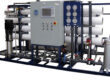

Which materials are used in industrial wastewater treatment? This question is a cornerstone of modern industrial operations, where environmental compliance and resource efficiency are no longer optional but mandatory. Industrial wastewater, unlike domestic sewage, often contains aggressive chemicals, heavy metals, and high organic loads that require specialized infrastructure. At AAT, we combine engineering expertise with high-quality equipment manufacturing to ensure that every system we build stands the test of time against these harsh conditions.
Which Materials Are Used in Industrial Wastewater Treatment?
When addressing the question, “Which materials are used in industrial wastewater treatment?“, we must look at the durability, chemical resistance, and mechanical strength of the components. The selection of materials directly dictates the lifespan of the facility and the purity of the treated water.
1. Pressure Vessels and Storage Solutions
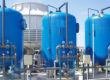
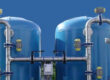
The structural integrity of a treatment plant relies heavily on pressure tanks and pressure vessels. These units house various filtration stages and must withstand significant internal force.
Stainless Steel (AISI 304/316L): This is the gold standard for industrial wastewater treatment. 316L grade is particularly preferred for its superior resistance to chlorides and acidic environments.
Carbon Steel with Specialized Coatings: For large-scale atmospheric storage tanks, carbon steel coated with industrial-grade epoxy or rubber lining provides a cost-effective yet durable solution.
Cryogenic Storage Tanks: In specialized industrial gas applications related to treatment or process cooling, high-vacuum insulated stainless steel is used for cryogenic storage.
2. Filtration Media: Sand and Carbon Filters
Effective physical treatment requires high-quality media contained within robust housings.
Sand Filter Systems: These utilize graded quartz sand and anthracite to trap suspended solids. The housing for a sand filter is typically made of reinforced polyester or stainless steel.
Carbon Filter Systems: Activated carbon is essential for removing chlorine, odors, and dissolved organic pollutants. AAT ensures that the carbon filter units are designed for optimal contact time.
3. Advanced Membrane and Softening Technologies
To achieve high-purity water, chemical and molecular level separation is necessary.
Reverse Osmosis (RO) Systems: These systems use semi-permeable polyamide membranes. The high-pressure pumps and housing for Reverse Osmosis (RO) systems must be made of high-grade alloys to prevent corrosion.
Water Softening Systems: These rely on ion-exchange resins. The vessels for water softening systems are often made of FRP (Fiberglass Reinforced Plastic) or lined steel to handle the brine regeneration cycle.
Demineralization Systems: Utilizing both cation and anion resins, these systems remove nearly all ionized minerals from the water.
Heat Management and Gas Storage
In many industrial processes, the treatment of water is linked to temperature control and gas management.
Vaporizers and Heat Exchangers: These are used to manage the thermal energy of the wastewater or to facilitate evaporation in Zero Liquid Discharge (ZLD) plants. Vaporizers and heat exchangers made of titanium or Hastelloy are used when dealing with highly corrosive concentrates.
Gas Storage and Degasifier Systems: Gas storage units manage the gases produced or required during treatment, while degasifier systems use tower packing materials like polypropylene to strip dissolved gases like $CO_2$ from the liquid.
Disinfection and High-Purity Water
For the final polishing of treated water, especially in the pharmaceutical or food industries, advanced technologies are employed:
Ultraviolet Disinfection Systems: Utilizing high-intensity UV lamps protected by quartz sleeves to neutralize pathogens without chemicals.
Electrodeionization (EDI) Systems: Electrodeionization systems use a combination of ion-exchange resins and membranes with an electrical current to produce ultra-pure water.
Specialized Environmental Solutions
The scope of AAT extends beyond liquids to include air and odor management.
Flue Gas Treatment: Materials like high-density polyethylene (HDPE) or specialized ceramics are used in flue gas treatment to withstand high temperatures and acidic vapors.
Odor Control: Chemical scrubbers and bio-filters utilize corrosion-resistant plastics to ensure long-term operation in humid, hydrogen-sulfide-rich environments.
Engineering, Maintenance, and Rental Services
Choosing the right material is only half the battle. Consultancy & project engineering ensure that the material compatibility is checked against the specific chemical profile of your waste. Furthermore, AAT provides comprehensive service maintenance & operation to ensure these materials perform as expected over decades.
For businesses looking for temporary solutions or pilot tests, rental treatment plants offer the same high-quality equipment manufacturing standards, including recovery systems that allow for the recycling of process water.
River Water Treatment Systems
When utilizing natural sources, river water treatment systems employ heavy-duty intake screens and specialized coagulation tanks, often made of reinforced concrete or epoxy-coated steel, to handle high turbidity and varying flow rates.
Summary and Conclusion
The answer to “Which materials are used in industrial wastewater treatment?” involves a strategic mix of stainless steel for pressure vessels, advanced polymers for membranes, and specialized minerals for filtration. Each component must be selected based on the specific pollutants involved. AAT excels in providing these tailored solutions through rigorous equipment manufacturing and expert consultancy & project engineering.