
How is Wastewater Treatment Done? is a question that lies at the heart of modern industrial sustainability and environmental stewardship. In an era where water scarcity is becoming a global crisis, Aktif Arıtma leads the way in transforming contaminated water into a valuable resource. The process of taking industrial effluent and making it safe for the environment or for reuse within a factory is a complex journey of chemistry, physics, and biological science. When we ask How is Wastewater Treatment Done?, we are not just looking for a simple filtration method; we are seeking a comprehensive engineering solution that integrates equipment manufacturing, advanced chemistry, and precise consulting & project engineering.
The Strategic Importance of Industrial Water Management
Before diving into the technicalities of How is Wastewater Treatment Done?, one must understand the necessity of a well-planned infrastructure. Every industrial facility has a unique “water footprint.” The pollutants found in a textile mill differ vastly from those in a chemical plant or a food processing facility. Therefore, the first step in answering How is Wastewater Treatment Done? is a thorough analysis of the influent water.
Aktif Arıtma approaches this challenge by providing expert consulting & project engineering services. We analyze chemical oxygen demand (COD), biological oxygen demand (BOD), total suspended solids (TSS), and pH levels. Only after this analysis can we design a system that utilizes the right pressure vessels, atmospheric storage tanks, and filtration units. In this context, understanding How is Wastewater Treatment Done? becomes a matter of custom-tailored engineering rather than a one-size-fits-all product.
Step-by-Step: How is Wastewater Treatment Done?
To truly grasp How is Wastewater Treatment Done?, we must break the process down into its primary stages. Each stage is designed to remove a specific type of contaminant, ensuring that the final output meets stringent legal and environmental standards.
1. Preliminary and Physical Treatment
The first phase of answering How is Wastewater Treatment Done? involves physical separation. This stage uses screens and grit chambers to remove large debris. However, for finer particles, sand filter and carbon filter systems are employed. A sand filter is essential for removing suspended solids, while a carbon filter excels at removing odors, chlorine, and organic pollutants. Aktif Arıtma manufactures these filters with high-grade materials to ensure long-term durability in harsh industrial environments.
2. Chemical Treatment Processes
When people ask How is Wastewater Treatment Done? regarding dissolved pollutants, chemical treatment is the answer. Through coagulation and flocculation, dissolved particles are clumped together to form “flocs” that can be easily settled. This process requires precise dosing, which is managed using specialized atmospheric storage tanks for chemical storage. Without high-quality equipment manufacturing, the corrosive nature of these chemicals could compromise the entire system.
3. Biological Treatment
For organic waste, the question of How is Wastewater Treatment Done? leads us to the power of microorganisms. In biological reactors, bacteria consume organic matter, effectively cleaning the water. This process requires a delicate balance of oxygen and nutrients. Often, degasser systems are used here to manage the gas levels within the water, ensuring the microbes have the ideal environment to thrive.
Advanced Technologies in Water Purification
As industry standards evolve, the basic answer to How is Wastewater Treatment Done? is no longer enough. Many modern facilities require high-purity water for their sensitive processes. This is where Aktif Arıtma’s expertise in advanced technologies shines.
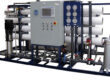
Reverse osmosis (RO) systems are perhaps the most well-known advanced treatment method. By using semi-permeable membranes and high-pressure pumps housed in specialized pressure tanks, reverse osmosis (RO) systems can remove up to 99% of dissolved salts and impurities. If you are wondering How is Wastewater Treatment Done? in a way that allows for total water recycling, RO is the cornerstone of that solution.
For even higher purity, demineralization systems and electrodeionization systems (EDI) are used. These systems remove ions from the water, producing “ultra-pure” water necessary for power plants and pharmaceutical production. During these high-tech processes, ultraviolet disinfection systems provide a chemical-free way to ensure that no bacteria remain in the water, answering the question of How is Wastewater Treatment Done? with a focus on biological safety.
[Image Placeholder: A detailed diagram showing the flow of a Reverse Osmosis and EDI system integrated with pressure vessels]
Integrating Mechanical Excellence: Pressure Vessels and Heat Exchangers
A major part of the technical side of How is Wastewater Treatment Done? involves the mechanical equipment that holds and moves the water. Aktif Arıtma is not just a service provider; we are a leader in equipment manufacturing.
Pressure Vessels and Tanks: Whether it’s for air, gas, or water, pressure vessels and pressure tanks must be designed to withstand extreme conditions. These are vital for the safety of the treatment plant.
Heat Exchangers and Evaporators: In many industrial processes, water must be heated or cooled. Heat exchangers allow for energy recovery, while evaporators can be used in “Zero Liquid Discharge” (ZLD) systems to concentrate waste and recover pure water. If you ask How is Wastewater Treatment Done? in a sustainable, energy-efficient way, the answer involves high-efficiency evaporators and heat exchangers.
Gas and Cryogenic Storage: For facilities that deal with specialized gases or require extreme cooling, gas storage units and cryogenic storage tanks are integrated into the facility’s infrastructure. These units ensure that the gases used in treatment or production are stored under optimal conditions.
Solving Water Hardness and Source Challenges
In many regions, the challenge isn’t just treatment, but the quality of the incoming water. How is Wastewater Treatment Done? when the source is a river or a hard-water well? Water softening systems use ion-exchange resins to remove calcium and magnesium, preventing scale buildup in industrial machinery. For large-scale needs, river water treatment systems are designed to handle the high turbidity and seasonal variability of surface water. Aktif Arıtma provides robust solutions for these challenges, ensuring that every drop of water entering your facility is of the highest quality.
Environmental Protection: Flue Gas and Odor Control
A holistic approach to How is Wastewater Treatment Done? must also consider the air. Wastewater plants can sometimes produce unpleasant smells or gases. Odor removal systems and flue gas treatment units ensure that the facility remains a good neighbor to the surrounding community. By capturing and neutralizing harmful emissions, Aktif Arıtma helps businesses meet their “Green Factory” goals.
Ensuring Longevity: Service, Maintenance, and Rental Options
Even the best-designed system needs care. When considering How is Wastewater Treatment Done?, one must also plan for the future. Service maintenance operation is a core part of what we do at Aktif Arıtma. Regular check-ups prevent downtime and extend the life of carbon filter units and reverse osmosis (RO) systems.
For companies that need immediate solutions without a large capital investment, rental treatment options provide a flexible way to manage water quality. This is particularly useful for seasonal industries or temporary project sites where the question of How is Wastewater Treatment Done? needs a fast, mobile answer.
The Future of Recovery Systems
The ultimate goal of answering How is Wastewater Treatment Done? is to reach a circular economy. Recovery systems allow factories to reuse their treated wastewater in cooling towers, boilers, or even in the production line itself. This reduces the demand on municipal water supplies and lowers operating costs. By integrating degasser systems, demineralization systems, and ultra-violet disinfection systems, we turn waste into a valuable asset.
How is Wastewater Treatment Done? is more than a technical process; it is a commitment to the planet. At Aktif Arıtma, we combine decades of experience in equipment manufacturing with cutting-edge project engineering to provide the most efficient wastewater treatment systems on the market. Whether you need cryogenic storage tanks, atmospheric storage tanks, or a complete river water treatment plant, our team is ready to deliver.
Conclusion: Your Partner in Water Excellence
In summary, when asking How is Wastewater Treatment Done?, you are looking for a partner who understands the intricate balance between chemistry and mechanical engineering. From the initial sand filter to the final recovery systems, every step must be handled with precision. Aktif Arıtma stands ready to provide the consulting & project engineering and the high-quality pressure vessels needed to ensure your facility thrives in a water-conscious world.