
Why domestic wastewater should be treated is a question that lies at the heart of creating a sustainable environment and a healthy society in today’s world. Rapid global population growth, urban transformation, and industrialization increase the pressure on our water resources every single day. The water discharged from kitchens, bathrooms, and toilets into the sewage system is not just “dirty water”; it is a complex waste load containing pathogens, organic matter, and chemicals. As Aktif Arıtma, we provide professional solutions to prevent the irreparable damage caused by the uncontrolled release of these wastewaters into nature.
What is Domestic Wastewater and What Does It Contain?
Domestic wastewater originates from residences, schools, hospitals, and offices, resulting from daily human activities. This water contains suspended solids, organic compounds with high biochemical oxygen demand (BOD), nitrogen, phosphorus, and microorganisms. When asking why domestic wastewater should be treated, the first thing that should come to mind is the pollution these components create in receiving environments such as rivers, lakes, and seas.
If these waters are released directly into nature, the oxygen in the aquatic ecosystem is rapidly depleted. Fish kills begin, and water sources turn into “dead zones.” By using wastewater treatment systems to bring these waters up to certain standards, we fulfill not only a legal requirement but also an ethical responsibility.
Why Domestic Wastewater Should Be Treated
Detailing this fundamental question under several main headings is critical to understanding the importance of the issue:
Protection of Public Health: Untreated domestic wastewater carries bacteria that cause epidemic diseases such as typhoid, cholera, and dysentery. The most vital answer to why domestic wastewater should be treated is the protection of human life.
Safety of Groundwater Resources: Dirty water leaking into the soil contaminates the underground aquifers we use as drinking water. Aktif Arıtma develops engineering projects that minimize these risks.
Ecosystem Balance: Nutrients like nitrogen and phosphorus cause eutrophication (algal blooms) in water sources. This prevents the water from receiving light and ends aquatic life.
Economic Value and Recovery: Treated water can be reused in agricultural irrigation or industrial cooling systems. Recovery systems protect natural resources while reducing water costs.
Aktif Arıtma and Industrial Solutions
Aktif Arıtma combines its expertise in the production of pressure vessels, pressure tanks, and cryogenic storage tanks with the installation of complex treatment plants. The success of a facility depends on the quality of the equipment used and the accuracy of the engineering calculations. The meticulousness we show in the equipment manufacturing process ensures that the systems are long-lasting and efficient.
Technologies Used in the Treatment Process
Under the title of why domestic wastewater should be treated, it is also necessary to mention the technical dimensions of this process. In a modern plant, the following systems work in integration:
Sand Filter and Carbon Filter: Forms the first stage in removing suspended solids and odors.
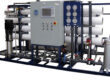
Reverse Osmosis (RO) Systems: Provides purification of water at the smallest molecular level. It is indispensable, especially in the advanced treatment stage.
Ultraviolet Disinfection Systems: Neutralizes microorganisms without the use of chemicals.
Water Softening Systems: Extends the life of plumbing and equipment by removing water hardness.
The Role of Pressure Vessels and Tanks in Treatment Plants
Pressure vessels play a critical role in treatment processes for storing gases, filtering water under pressure, and storing chemicals. While gas storage and atmospheric storage tanks determine the storage capacity of a facility, vaporizers and heat exchangers ensure the thermal balance of the process.
Aktif Arıtma represents the mechanical power at the heart of the facilities with these pieces of equipment. Our high-tech products, such as cryogenic storage tanks, allow gases to be safely held in liquid form in industrial areas.
The Future of Wastewater Treatment and Sustainability
To leave a livable world for future generations, every drop of water is precious. Another answer to why domestic wastewater should be treated is the “fight against water scarcity.” High-tech solutions such as demineralization systems and electrodeionization systems increase the purity level of water, making its use possible even in the most sensitive industrial processes.
Furthermore, it is not enough to just install facilities; the efficiency of the systems must be monitored through service maintenance and operation services. Our consultancy & project engineering team produces optimum cost-effective solutions specific to the needs of each business. If a temporary solution is sought, we offer flexibility to our customers with our rental treatment options.
Environmental Impact and Regulatory Compliance
Environmental regulations in Turkey and around the world are tightening the wastewater discharge standards for businesses and local governments. The question of why domestic wastewater should be treated is part of a corporate image, beyond just avoiding legal sanctions. When combined with additional systems such as flue gas treatment and odor removal, the negative impact of a facility on the environment approaches zero.
Aktif Arıtma has its signature in specific areas such as removing dissolved gases with degasifier systems and converting surface water into utility water with river water treatment systems.
Conclusion
The issue of why domestic wastewater should be treated is a wide spectrum ranging from a biological necessity to technical expertise. With correct equipment manufacturing, expert engineering, and a sustainable vision, wastewater can stop being a source of pollution and turn into a valuable resource. We continue to work for the future of water at every stage, from pressure tank production to reverse osmosis systems.