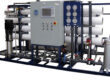

What are the advantages of river water treatment systems? This question has become a top priority for industrial facilities today, as industrialization increases and clean water resources rapidly decline. As AAT, we combine our expertise in the production of pressure tanks, cryogenic storage tanks, gas storage solutions, and complex heat exchangers with the efficient processing of water. Although river water can be a challenging source due to suspended solids, microorganisms, and variable flow rates, it remains one of the most economical and sustainable alternatives for facilities through correct engineering and advanced equipment manufacturing processes.
The Importance of River Water in Water Resource Management
The protection of global freshwater reserves has become a necessity. Especially for large-scale production plants, thermal power plants, and chemical facilities, the quality of water stored in atmospheric storage tanks directly affects production efficiency. River water treatment systems optimize the river, water, treatment, and systems components of surface waters to make them usable for industrial applications.
A facility establishing its own water treatment infrastructure reduces dependence on local networks. AAT provides consultancy & project engineering services in this process, developing solutions tailored to the specific characteristics of the river. One of the most prominent advantages of river water treatment systems is meeting high-capacity water needs at a low cost.
What are the Advantages of River Water Treatment Systems?
What are the advantages of river water treatment systems? The answer to this question covers not only economic but also operational and environmental dimensions. We can list the primary benefits of treating and using river water for an industrial facility as follows:
1. Significant Savings in Operational Costs
The cost per ton of municipal water can create massive budgets for large enterprises on an annual basis. Since river water is obtained directly from nature, the raw material cost is very low. Thanks to the reverse osmosis (RO) systems and ultrafiltration units installed by AAT, the water purification process is brought to a much more economical level than purchasing network water.
2. Uninterrupted Water Supply and Independence
Interruptions caused by local infrastructure work or network failures can lead to production halts. A facility with its own river water treatment systems has the freedom to manage its own source. Reservoir areas created using pressure vessels and atmospheric storage tanks ensure that the facility continues to operate even during drought periods.
3. Eco-Friendly and Sustainable Approach
Excessive extraction of groundwater can damage the ecosystem. By using river water in a controlled manner and integrating it with wastewater treatment systems and recovery systems, the circular use of water is ensured. This reduces your company’s carbon footprint and facilitates compliance with environmental regulations.
4. Extension of Equipment Lifespan
Raw river water can contain high amounts of sand, silt, and calcium. The sand filter, carbon filter, and water softening systems produced within AAT minimize the corrosive effect of the water. Using treated water prevents calcification and corrosion in sensitive equipment such as evaporators and heat exchangers, thereby reducing maintenance costs.
Core Technologies Used in River Water Treatment Processes
The key to success in a river water treatment project is choosing the right technology based on the pollutants in the water. The advantages of river water treatment systems can only be realized if the system is correctly designed.
Pre-Treatment: Sand and Carbon Filters
The first step to remove large particles and total suspended solids (TSS) from river water is the use of a sand filter. This is followed by a carbon filter, which improves the taste, odor, and organic chemical content of the water. The bodies of these filters must be manufactured according to pressure tank production standards for high durability.
Advanced Purification: Reverse Osmosis and Ultrafiltration
To separate water molecules from dissolved salts and microbiological entities, reverse osmosis (RO) systems come into play. These systems bring river water to the quality of drinking water or process water. For more sensitive applications, demineralization systems or electrodeionization systems are used to reduce the conductivity of the water to near-zero levels.
Disinfection and Degassing
Ultraviolet disinfection systems are the safest method to eliminate bacterial risks in the water. Additionally, it is critical to install degasifier systems to prevent dissolved gases (such as oxygen and carbon dioxide) from damaging the system equipment.
Pressure Tanks and Storage in Industrial Applications
Protecting the quality of treated water is as important as treating it. AAT is an industry leader in pressure tanks, cryogenic storage tanks, and gas storage units, which are considered the heart of treatment plants.
Pressure vessels are used especially in reverse osmosis stages and filtration systems where water needs to be kept under a certain pressure. Atmospheric storage tanks are areas where treated water is kept in large volumes before being fed into the system. Manufacturing these tanks from corrosion-resistant materials supports the operational durability answer to the question: What are the advantages of river water treatment systems?
The Role of Maintenance and Engineering: AAT Assurance
Simply installing a treatment system is not enough; service maintenance operation processes must also be carried out meticulously. The consultancy & project engineering service provided by AAT guarantees that the system operates with high efficiency throughout its lifespan.
Rental Treatment: Solutions that do not require investment costs for temporary projects or emergency needs.
Flue Gas Treatment and Odor Control: Integrated solutions that protect air quality as well as water.
Equipment Manufacturing: Custom-sized heat exchangers and reactor designs.
What are the Advantages of River Water Treatment Systems? (Strategic Perspective)
When we look at the question “What are the advantages of river water treatment systems?” from a strategic perspective, we see that these systems are a facility’s “insurance.” In a world where water stress is increasing, bringing renewable surface sources like river water into the economy through river water treatment technologies adds value to companies both financially and in terms of prestige. AAT stands by you in this transformation with modern equipment manufacturing and advanced technological treatment methodologies.
Conclusion: Why River Water Treatment?
In summary, the advantages of river water treatment systems are numerous. Low operating expenses, alignment with sustainability goals, and meeting high-flow water needs make these systems attractive. AAT, with its industry experience, provides all components such as sand filter, carbon filter, reverse osmosis, and water softening systems under one roof to produce turnkey solutions.
You can contact our expert staff to ensure the water quality your facility needs and to build a secure storage infrastructure with pressure vessels. Remember, investing in the right river water treatment systems allows you to use water—the most valuable resource of the future—in the most efficient way.