Techniques used in water treatment systems represent the cornerstone of modern industrial efficiency, ensuring that water—the lifeblood of manufacturing—is purified to meet the most stringent operational standards. In the industrial landscape, water is rarely used in its raw form due to impurities like suspended solids, dissolved minerals, and biological contaminants that can jeopardize equipment integrity. AAT stands at the forefront of this sector, providing sophisticated engineering solutions that integrate pressure vessels, cryogenic storage, and advanced filtration. Understanding the various techniques used in water treatment systems is essential for any facility looking to optimize its processes and protect its high-value assets like heat exchangers and boilers.
Comprehensive Analysis of Techniques Used in Water Treatment Systems
The complexity of industrial operations necessitates a diverse range of purification methods. When we examine the techniques used in water treatment systems, we see a transition from basic physical barriers to complex molecular-level separations. AAT designs these systems by considering the specific raw water chemistry, whether it involves river water treatment systems or well water purification. Each step in the process is meticulously engineered to ensure that the final output aligns with the required conductivity, pH, and purity levels.
Physical Filtration: The First Line of Defense
The first category among the techniques used in water treatment systems involves the removal of physical impurities. Without effective pre-filtration, sensitive downstream components like membranes and resins would quickly become fouled.
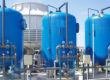
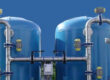
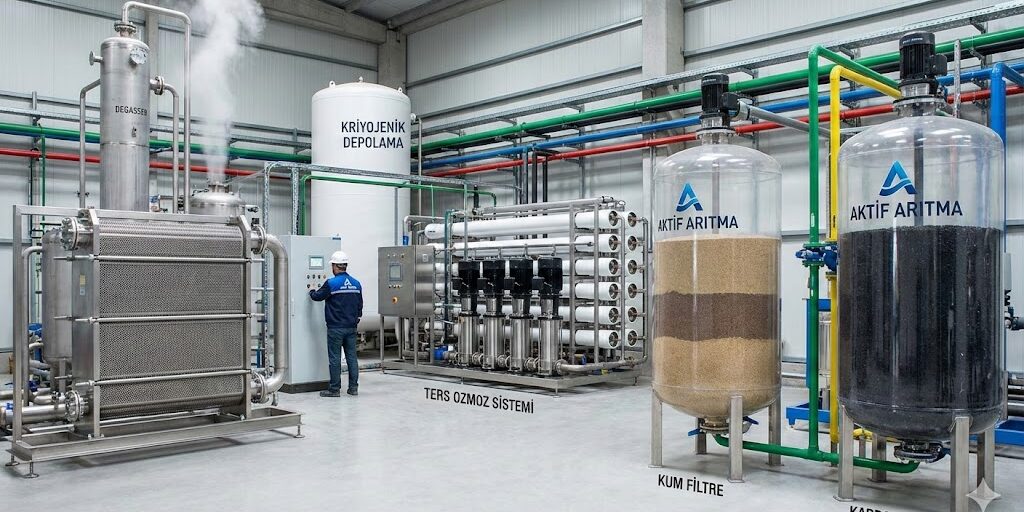
Sand Filtration Systems: This is a fundamental method used to remove suspended solids (TSS) and turbidity. In these systems, water passes through layers of graded quartz sand housed within high-quality pressure tanks. AAT manufactures these tanks to withstand varying pressure cycles, ensuring long-term durability.
Activated Carbon Filters: To remove organic compounds, chlorine, and unpleasant odors, activated carbon is utilized. As one of the critical techniques used in water treatment systems, carbon filtration relies on the high surface area of the media to adsorb chemical contaminants that could otherwise cause corrosion in heat exchangers.
Water Softening and Ion Exchange
Hardness in water, primarily caused by calcium and magnesium ions, is a primary cause of scaling in industrial equipment. Techniques used in water treatment systems to combat this include ion exchange softening. By replacing hardness ions with sodium ions using specialized resins, the risk of limescale buildup in boilers and cooling towers is eliminated. AAT provides automated softening units that ensure a continuous supply of soft water, significantly reducing energy consumption and maintenance costs.
Advanced Membrane Technologies: Reverse Osmosis (RO)
Among the most revolutionary techniques used in water treatment systems, Reverse Osmosis (RO) systems offer the highest level of desalination and purification. This process uses high-pressure pumps to force water through semi-permeable membranes, leaving behind up to 99% of dissolved salts, heavy metals, and microorganisms.
For industries requiring high-purity water, such as pharmaceuticals or electronics, RO is not just an option—it is a necessity. AAT specializes in the design of multi-stage RO plants, incorporating high-efficiency pressure vessels and energy recovery devices. By implementing these advanced techniques used in water treatment systems, facilities can achieve exceptional water quality while minimizing their environmental footprint.
Demineralization and Ultra-Pure Water Production
When standard softening or RO is not enough, demineralization becomes the preferred choice. These techniques used in water treatment systems focus on removing almost all ionized minerals to produce water with extremely low conductivity.
Electrodeionization (EDI) Systems: This is a continuous, chemical-free process that uses electricity, ion-exchange membranes, and resin to deionize water. AAT integrates EDI technology for clients who require ultra-pure water without the hassle of chemical regeneration.
Degasser Systems: Dissolved gases like oxygen and $CO_2$ can be highly corrosive to metal surfaces. Techniques used in water treatment systems often include vacuum or thermal degassers to remove these gases, protecting atmospheric storage tanks and piping systems from internal oxidation.
[Image suggestion: A technical schematic of an industrial EDI and RO integration]
Wastewater Treatment and Environmental Recovery
Sustainability is no longer a luxury but a regulatory and economic requirement. Techniques used in water treatment systems now extend to the treatment and reuse of industrial effluent. AAT excels in creating recovery systems that allow factories to reclaim up to 80% of their wastewater for secondary uses like cooling or irrigation.
Wastewater Treatment Systems: These involve biological and chemical processes designed to neutralize harmful pollutants before discharge.
Odor Removal and Flue Gas Treatment: Beyond liquid water, treating the gaseous byproducts of industrial processes is vital. Using scrubbers and specialized filters, AAT ensures that air emissions remain within legal limits, complementing the liquid techniques used in water treatment systems.
Equipment Manufacturing and Engineering Excellence
The hardware housing these processes is just as important as the chemistry itself. At AAT, our expertise in equipment manufacturing spans from kriyojenik storage tanks to complex evaporators. Every pressure tank and heat exchanger we produce is designed to integrate seamlessly with the specific techniques used in water treatment systems being employed.
We don’t just provide equipment; we offer consulting and project engineering. This ensures that every component, whether it is a kum filtre or a reverse osmosis unit, is sized correctly for the hydraulic load. Furthermore, our service, maintenance, and operation teams provide ongoing support to ensure that the techniques used in water treatment systems remain effective throughout the plant’s lifecycle. For those with temporary needs, our rental treatment options provide a flexible way to maintain water standards during peak loads or plant upgrades.
The Role of Ultraviolet Disinfection
To ensure biological safety without adding chemicals, Ultraviolet (UV) Disinfection Systems are widely adopted. This technique uses UV-C light to disrupt the DNA of bacteria and viruses. As one of the cleanest techniques used in water treatment systems, UV is often the final stage of a purification train, ensuring the water is sterile before it reaches the production line or the consumer.
Conclusion: Mastering Water Management
In summary, the diverse techniques used in water treatment systems—ranging from demineralization systems to ultraviolet disinfection—are critical for modern industrial success. AAT combines decades of experience in pressure vessel production with cutting-edge filtration science to deliver robust, efficient, and sustainable water solutions. By selecting the right techniques used in water treatment systems, businesses can protect their infrastructure, reduce operational costs, and contribute to a more sustainable future.
Choosing AAT means choosing a partner that understands the intricate relationship between water quality and industrial performance. Whether you need a simple sand filter or a complex seawater RO system, the application of professional techniques used in water treatment systems ensures that your facility operates at peak efficiency every single day.